.png)
.jpeg)
Your furnace is making noise. Air is coming through the vents. So why is your house getting colder?
You check the thermostat again. Maybe you grab another blanket for the kids. Then the questions start. Is it safe to leave the furnace on? Is this a simple repair? Will calling someone lead to a sales pitch about buying a whole new system?
You might describe it as “the heater isn’t working” or “the heat won’t turn on.” If you have a gas furnace, the burners may not be lighting or staying lit. The fan can still move air without delivering the warmth you’re expecting.
When your furnace won’t ignite, a pilot light, electronic igniter, or flame sensor may be involved. Understanding the difference helps you know what you can check, and when it’s time to call for help.
Why Your Furnace Can Run Without Putting Out Heat
Think about a gas stove. Turning the knob isn’t enough to cook dinner. The burner has to light to produce heat.
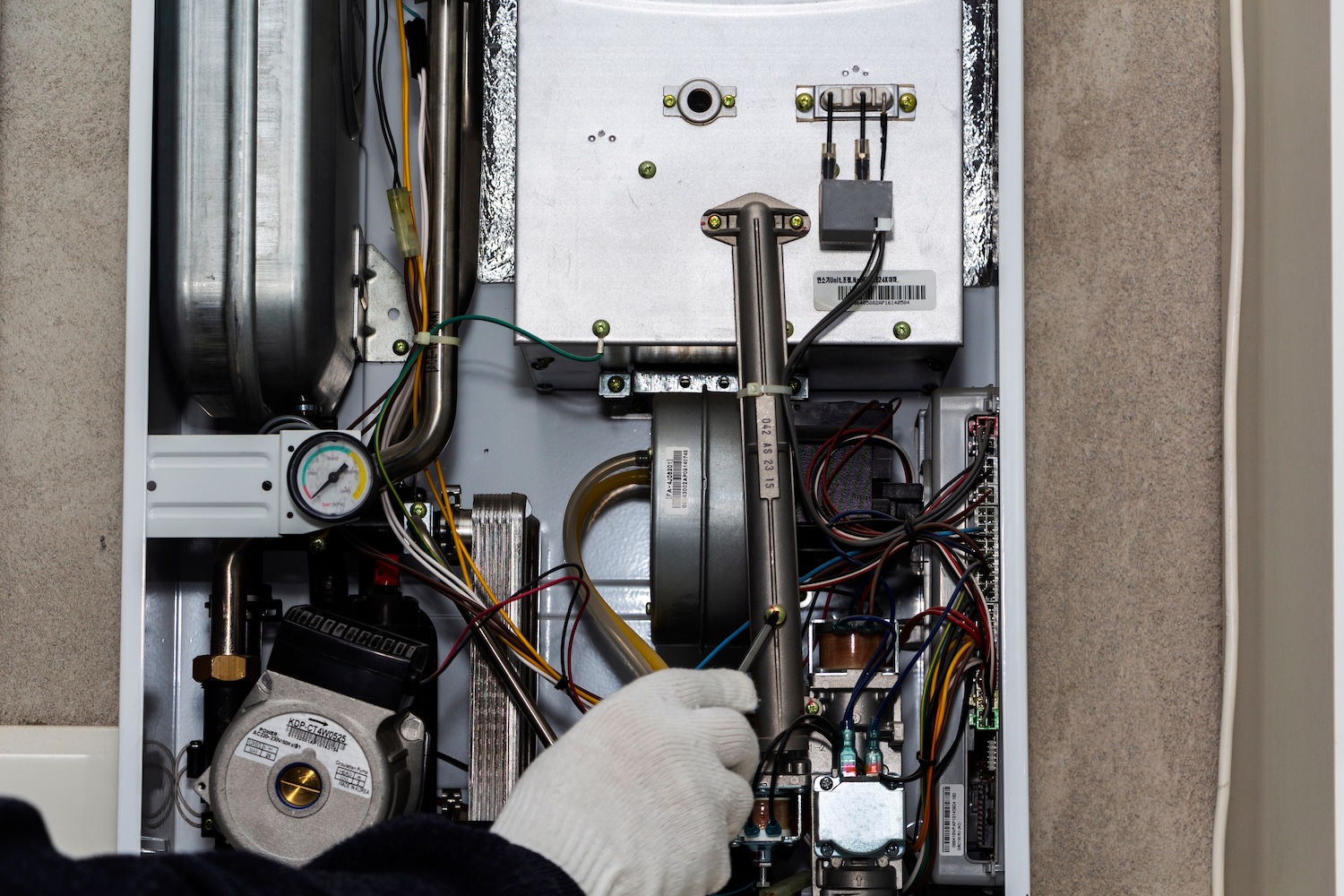
Your gas furnace also needs its burners to light. A heat exchanger transfers that warmth to household air while keeping combustion gases separate. The blower then moves the warmed air through your ducts.
If the burners don’t light or stay lit, the blower is like a fan running in a cold room. It moves air, but it doesn’t create warmth.
The ignition system also works with safety controls. If a required condition isn’t met, the furnace may stop the heating cycle. Finding what interrupted that sequence is more useful than guessing which part needs replacing.
Does Your Furnace Have a Pilot Light or an Electronic Igniter?
“Maybe the pilot light went out” is a common first thought. But your furnace may not have a pilot light that stays on.
Many gas furnaces manufactured after the mid-1990s use electronic ignition. Some earlier models do too, so age alone won’t identify your system. Your owner’s manual or a K Lund technician can confirm it.
Furnaces With a Standing Pilot Light
A standing pilot is a small, continuously burning flame that lights the main burners when heat is needed.
If it goes out, the burners can’t light normally. The cause may involve the pilot assembly, fuel supply, or thermocouple, a safety device that responds to the pilot’s heat.
A pilot that repeatedly goes out needs an inspection. Relighting it again doesn’t explain why it won’t stay lit. If you’re checking how to relight a standing pilot, follow your furnace’s instructions. Ignition systems and safety steps vary by model, so a general video may not apply to yours.
Furnaces With Electronic Ignition
A hot surface igniter heats until it can light the gas. A spark ignition system uses an electrical spark. Some systems light a small pilot only when heating is needed.
Igniters can wear out or develop electrical problems. However, an igniter that doesn’t activate isn’t automatically broken. A safety control or another fault may be stopping the process before ignition.
Why a Flame Sensor Can Stop Your Furnace From Heating
The igniter gets the flame started. On many modern gas furnaces, the flame sensor provides the “yes, it’s lit” signal that the controls need to keep gas flowing. Without that small electrical signal, the controls can close the gas valve to help prevent unburned gas from building up.
Buildup, damage, or wiring and grounding problems can interfere with that signal. You may notice the burners light briefly, then shut off.
A technician can determine whether cleaning, replacement, or another repair is needed.
What You Can Check When Your Furnace Won’t Ignite
If there’s no gas odor, no carbon monoxide alarm sounding, and no other immediate safety concern, start with these basic checks.
- Thermostat: Select “Heat” and set it above the current room temperature.
- Fan setting: “Auto” generally runs the blower as needed instead of continuously.
- Power switch: Confirm the furnace switch wasn’t accidentally turned off.
- Filter: Replace an overdue or visibly clogged filter according to the manufacturer’s instructions.
- Airflow: Move belongings blocking return grilles or supply registers.
A clogged filter can contribute to overheating and interrupted heating. Replacing it supports airflow, but it won’t fix a failed igniter.
If you still have no heat, notice what happens during normal operation. Does the furnace try to start without lighting, or light briefly and stop? Share those details when you call. You don’t need to identify the failed part.
Before You Spend Your Time Searching for a DIY Fix
It’s understandable to look for a solution yourself. Nobody wants a service visit for something simple they can solve.
But one search can turn into hours of searching through info. One video might say to do one thing, and another might say a whole different solution. Meanwhile, your house is still cold.
Also, instructions for another model may not apply to yours. You definitely want to leave internal ignition work and gas components to a trained technician, and never bypass safety controls. Repeated resets may allow another startup attempt without correcting the fault.
If a diagnostic light is visible through an existing viewing window, note its pattern before changing anything. Tell the technician what you noticed and what you’ve checked.
Gas Odor or a CO Alarm Changes What You Should Do Next
If you smell gas or suspect a leak, leave immediately. Don’t operate switches, use a phone inside, or restart the furnace. From a safe location outside, call 911 and your gas utility. See this natural gas emergency guidance.
If your carbon monoxide alarm sounds, move everyone outside to fresh air and call 911. Don’t reenter until emergency responders say it’s safe. NFPA’s carbon monoxide guidance explains the correct response and possible symptoms.
Carbon monoxide has no smell. An ignition failure doesn’t automatically mean a CO problem exists, but an alarm requires immediate action.
Keeping Warm While Your Furnace Isn’t Working
An electric space heater can provide temporary warmth while you arrange help. Follow its instructions and these precautions from the U.S. Consumer Product Safety Commission:
- Keep it at least three feet from bedding, curtains, furniture, and other items that can burn.
- Plug it directly into a wall outlet, never an extension cord or power strip.
- Turn it off before sleeping or leaving it unattended.
- Stop using it if the plug, cord, or outlet becomes hot.
Running several heaters can add to your electricity bill. The cost depends on how many you use, their power settings, operating time, and utility rates.
During extended freezing weather, keeping your home warm also helps protect plumbing. Pipes near poorly insulated exterior walls or in unheated areas are more vulnerable to freezing. A space heater warming the room you’re sitting in may leave those other areas cold, so don’t assume one comfortable room means the whole house is protected.
If your indoor temperature keeps dropping, let K Lund know when you call. The American Red Cross’s frozen-pipe guide offers additional prevention steps.
Does an Ignition Problem Mean You Need a New Furnace?
A furnace that won’t light can make you picture a replacement bill before anyone has looked at it. You may also wonder if calling for help means sitting through a sales pitch.
An ignition problem alone doesn’t mean you need a new furnace. The first step is understanding what’s wrong and what it will take to correct it.
Why Utah Homeowners Choose K Lund for Furnace Repairs
Getting your heat back matters. So does knowing who’s coming to your home and understanding the recommended work before you agree to it.
K Lund Mechanical is a family-owned company with more than 30 years of combined HVAC experience and over 270 five-star Google reviews. The team services all makes and models and offers a pressure-free estimate at no cost to you. Learn more about their experience and values on the About K Lund Mechanical page.
Kirsten M. shared what her experience looked like when she woke up without working heat:
“Woke up to cold air blowing out the vents. Did a few troubleshooting items of my own at home and needed more help. Everyone I interacted with at KLund was fantastic. Jessica who helped me schedule the visit got me a quick same day appointment. She was so kind on the phone. I immediately got a text message with appointment time, location, and about the technician who was scheduled to come. I received another text when the technician was on his way, which I appreciated. Sam, who was the technician, was very knowledgeable and thorough in his repairs. He got my furnace up and running quickly. I would recommend them for any repairs, maintenance, tune ups etc.” –Kirsten M.
Appointment availability varies, but her review shows how clear communication and thorough service can make an unexpected furnace problem easier to manage.
Furnace Won’t Ignite? Get Help From K Lund Mechanical in Utah
When your home is getting colder, you want to know what’s wrong, what it will cost, and when help can arrive.
K Lund Mechanical provides residential HVAC service and commercial HVAC service in Salt Lake, Utah, and Summit counties.
Call (801) 459-2039, explain what’s happening, and ask about the next available appointment. You can also request service through K Lund’s contact form. For faster service, call directly.
Get Started with K Lund
Contact us today for expert HVAC services or explore our range of solutions tailored for you.
FAQs
Find answers to common questions about our HVAC services and how we can assist you.
Why Is My Furnace Blowing Cold Air?
The fan setting may be circulating air between heating cycles, or the furnace may not be producing heat. Persistent cold air while the thermostat requests heating needs further investigation.
Why Does My Furnace Light and Then Shut Off?
A flame-sensing problem is one possible cause. Fuel supply, wiring, and other faults can produce similar symptoms, so testing matters.
What Can I Check If My Heat Won’t Turn On?
Check the thermostat settings, furnace power switch, and filter. If those don’t restore heat, leave gas and ignition work to a trained technician.
Does a Furnace That Won’t Ignite Need to Be Replaced?
Not necessarily. The cause, equipment condition, repair cost, and breakdown history help determine whether repair or replacement makes sense.
Explore Our Latest Insights
Stay informed with our expert HVAC advice and tips.