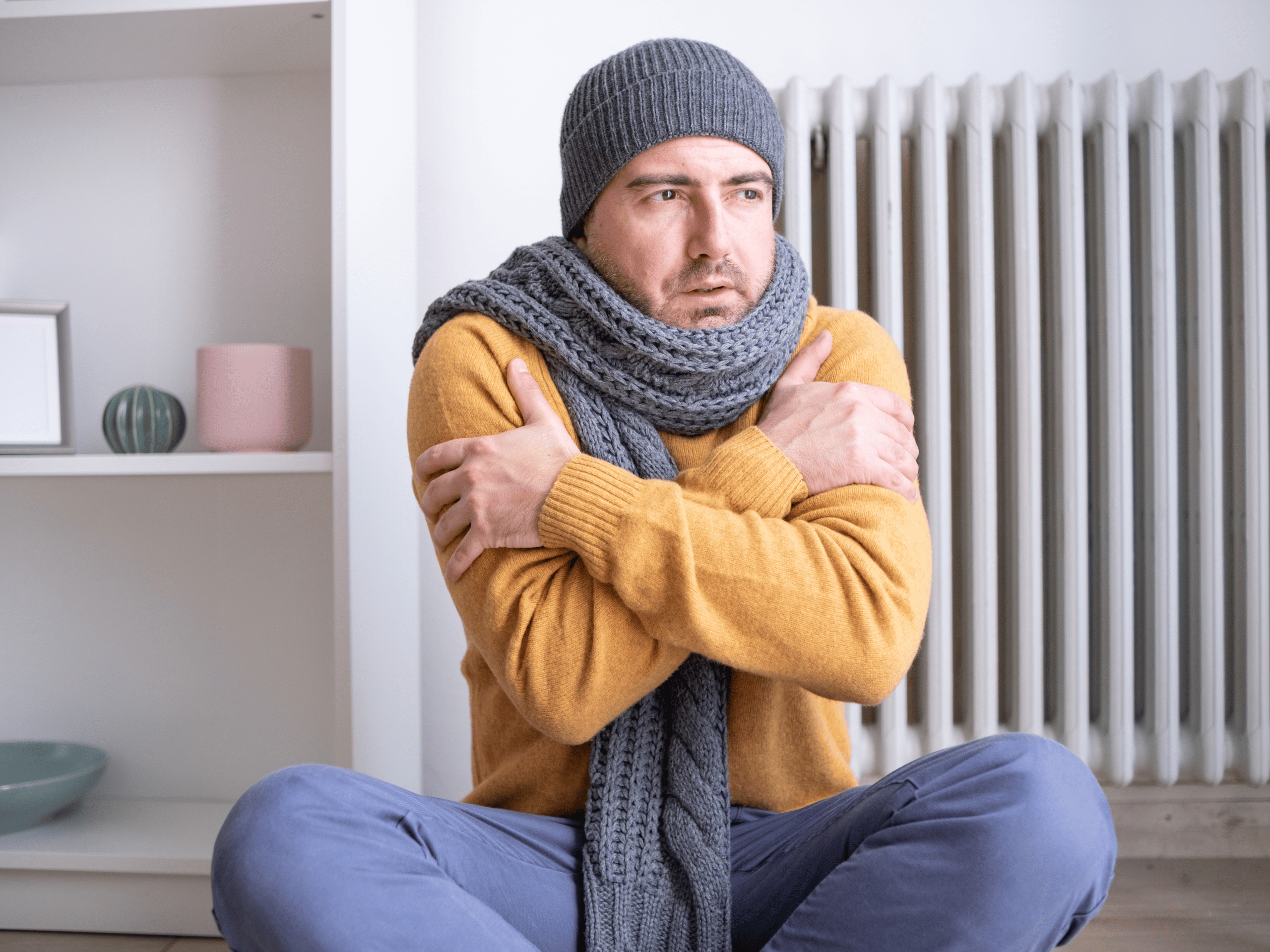
You turn up the heat, hear the furnace start, and hold your hand over a vent. Nothing but cold air.
Before you start worrying about a big repair bill, here are a few quick checks to try. Some fixes take just a few minutes and cost nothing.
A furnace blowing cold air can come from a thermostat setting, restricted airflow, or a problem that stops the furnace from producing heat. Start with the settings and airflow checks below. If they don't help, you'll know what to tell a technician without having to diagnose the furnace yourself.
A quick safety note. Cold air alone doesn't mean your furnace is leaking carbon monoxide. If a CO alarm sounds or you suspect exposure, get everyone outside and call 911. If you smell gas, leave without operating switches or using a phone inside, then call 911 and your gas utility from a safe location.
What to Check First When Your Furnace Blows Cold Air
If there's no immediate safety concern, start with these three.
- Check the thermostat. Select HEAT, set the temperature above the current room temperature, and check the fan setting. AUTO generally stops continuous fan operation between heating cycles.
- Check the filter. If it's dirty or overdue, turn the system off and replace it according to your equipment instructions.
- Check airflow. Move furniture, rugs, or boxes blocking supply vents or return grilles.
The sections below explain why these checks help and what to look for afterward.
Still cold after these checks? Call (801) 405-4495 and we'll take it from there.
Check HEAT and AUTO on Your Thermostat
When the fan is set to ON, it can keep blowing air even when the furnace isn't heating. That air may feel cool because it's simply circulating, like a fan running in your room. Try switching the fan to AUTO so it runs as needed with your heating system.
Also check the temperature setting. If your home is already at 68 degrees and the thermostat is set to 68, it may have no reason to request more heat.
If you use a schedule or smart thermostat, check for an active temperature setback, away setting, or scheduled fan operation. Use your thermostat's instructions to make adjustments. There's no need to remove it from the wall or touch wiring.
If the display looks blank or dim, try fresh batteries if your thermostat uses them.
Replace a Dirty Furnace Filter With the Right Filter
A clogged filter makes it harder for air to move through the furnace. In some cases, the furnace gets too hot and a safety control interrupts heating while the blower continues running.
The burners produce heat, and moving air carries that warmth into your home. When too little air passes through, heat can build up inside the furnace. The safety control may stop the burners while the blower helps cool the equipment.
When choosing a replacement, follow the equipment instructions for size, type, and airflow direction. Don't run the furnace without a filter as a test.
ENERGY STAR recommends checking filters monthly. Replacement timing depends on your filter, equipment, and household conditions.
Already changed it? Check that the replacement matches your system's requirements. A clean filter doesn't rule out other airflow problems, and a filter with a higher filtration rating isn't automatically the right choice for every furnace.
Did the furnace stop running altogether after a filter change? Make sure the front panel is pushed firmly back into place. Many furnaces have a safety switch behind that panel that keeps the system off when the panel is loose.
Unblock Supply Vents and Return Grilles
Supply vents deliver heated air. Return grilles provide a path for household air to travel back to the system. Both need room to work properly.
Return grilles, sometimes called return vents, are usually larger than supply vents. You'll often find them on a wall or ceiling, especially in hallways. If you're not sure which is which, hold a tissue near the grate. A return will pull it in rather than blow it away.
Pay particular attention to areas where furniture or storage has shifted. A couch over a floor register or bins stacked against a return grille can interfere with circulation.
If you've closed several vents in unused rooms, reopen them. Closing vents can restrict airflow instead of helping the furnace heat other rooms faster.
Leave hidden dampers and duct adjustments to a technician.
When Does Your Furnace Blow Cold Air?
The timing helps you decide what to do next. Notice the pattern during normal operation without opening any equipment panels.
Cool Air Only When the Furnace Starts or Stops
When your furnace first turns on, the air already sitting in your ducts comes out before the warm air does. That first bit of air can feel cool.
The same thing can happen at the end of a cycle. The fan often keeps running for a short time after the heat shuts off to push the last of the warm air into your home. As it winds down, the air can start to feel cooler.
How long this lasts depends on your system. If the air turns warm and your home reaches the thermostat setting, that short burst of cool air is likely normal.
If the air stays cold and the house keeps getting colder, something else is probably going on.
Warm Air Followed by Cold Air Before the House Warms
If the furnace delivers warmth and then blows cool air before reaching your setting, heating may be stopping too soon.
Restricted airflow, overheating, ignition problems, and control faults can produce similar symptoms. The pattern is useful information, but it doesn't identify one failed part.
If this pattern continues after the basic checks, it's worth having a technician take a look. Mention that the air starts warm and turns cool before your home reaches the setting.
Cold Air Throughout the Heating Cycle
A thermostat displaying "Heat On" means it's requesting heat. It doesn't confirm that the furnace successfully produced it.
The furnace still has to start its heating sequence and keep producing heat. A problem during that process can leave the fan moving air while the house stays cold.
If your thermostat settings are correct and the air stays cold, we can check what's interrupting heating. Our guide to a furnace that won't ignite explains ignition problems in more detail.
Is Water Pooling Near Your Furnace?
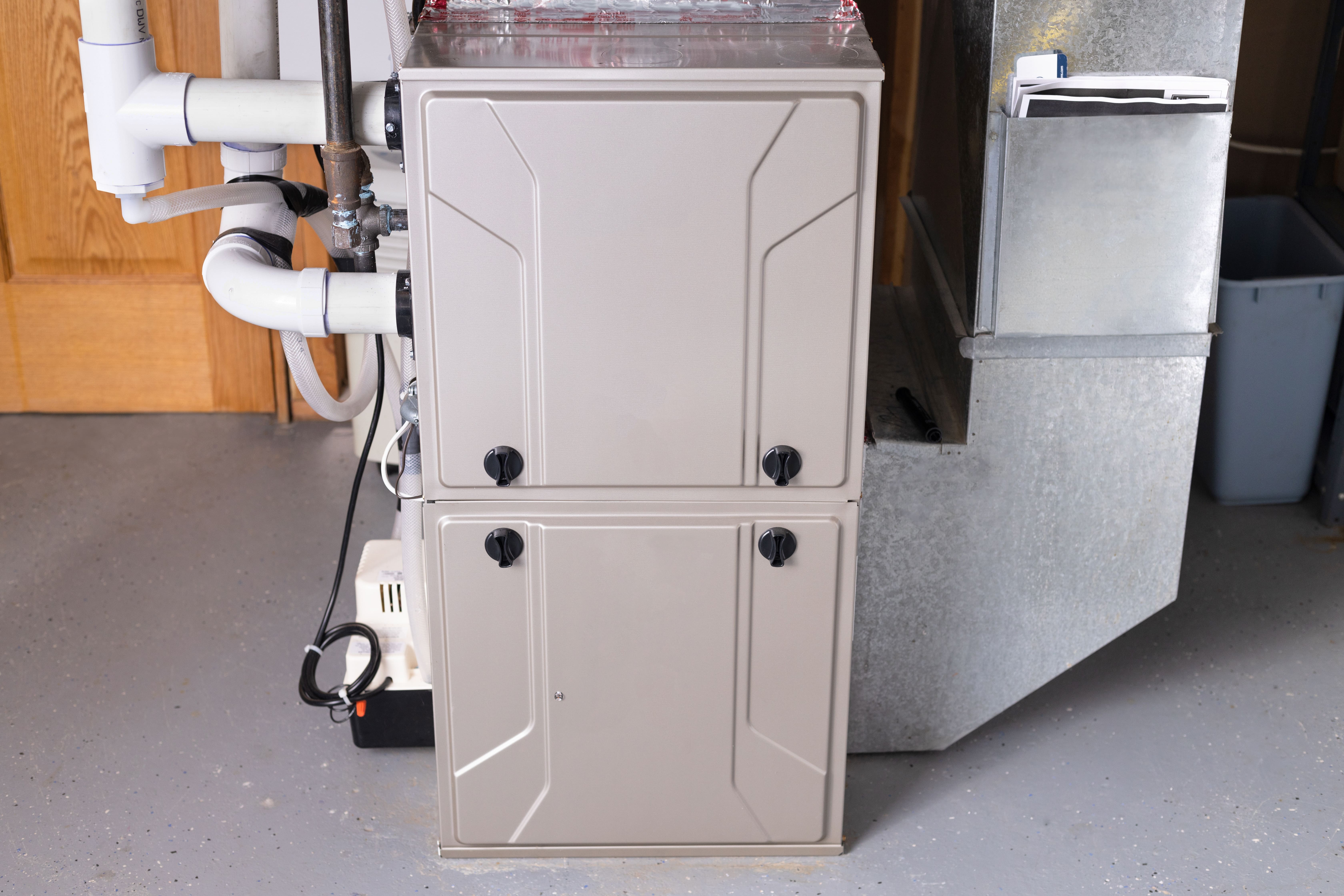
High-efficiency furnaces create water as they run, and a small drain line carries it away. If that line clogs or freezes, a safety switch can stop the heat. Depending on the furnace, the fan may keep running.
This happens more often during Utah cold snaps, when drain lines run through chilly garages, crawl spaces, or attics.
Water around the base of the furnace or a gurgling sound are worth mentioning when you call. Leave the drain line and switches to a technician.
Did the Cold Air Start After Something Changed?
Think back to when you first noticed the problem.
Did you install a new thermostat, switch filter types, rearrange furniture, or finish work near the heating system?
Knowing what changed can help us find the problem faster. A new thermostat may need its compatibility or setup checked. A different filter may affect airflow. A moved bookshelf may now block a return grille.
You don't need to undo installations or investigate wiring. Just tell us what changed and when.
When to Call for Furnace Repair in Utah
Call if the basic checks don't restore dependable heat, the furnace repeatedly starts and stops, or the indoor temperature keeps falling.
Utah cold snaps can drop indoor temperatures quickly, especially at higher elevations like Park City. If your home keeps getting colder, call sooner rather than later. A long stretch without heat can put pipes along exterior walls at risk of freezing.
If you see smoke or soot, or notice a burning smell that doesn’t go away, turn off the furnace and call for help. If you smell gas or think someone has been exposed to carbon monoxide, follow the safety steps at the top of this post.
A light, dusty smell the first time you run the heat each fall is normal. It usually fades on its own as the dust burns off.
Try not to keep resetting the furnace. A reset lets it try again, but it doesn’t fix whatever made it stop.
It helps to share a few details when you call.
- What the thermostat displays and the current indoor temperature
- When the air feels cold and whether it ever warms up
- What you've checked and anything that recently changed
Those observations give us a useful starting point.
Why Utah Homeowners Trust K Lund Mechanical for Furnace Repair
When your home is cold, you want someone who responds, respects your time, and explains the work your furnace actually needs.
At K Lund Mechanical, we bring more than 30 years of HVAC experience and over 280 five-star Google reviews. Kelly and Crandall, who lead our team, grew up in Utah, so they understand how hard our winters can be on a furnace. We offer 24-hour service for all makes and models, so you don't have to wait out a cold night.
Here's how Kylee Y. described her experience with us.
"I've used K Lund a couple times for some issues I've had with my furnace. They have been quick and kind when they respond, they show up on time and do amazing work. They have fixed what actually needed to be fixed. After using them, I'm happy saying that I don't have to worry about them finding an issue that isn't there or overcharging me for the work they're doing. I will definitely use them in the future. The workers are honest and do a great job!"
Cold air alone doesn't mean you need a new furnace. An accurate diagnosis comes first. If replacement becomes part of the conversation, our furnace repair or replacement guide can help you compare the options.
Get Your Heat Back With 24-Hour Furnace Repair
You've checked the basics. If your home still isn't warming up, we can help you find out why.
We provide furnace repair across Salt Lake, Utah, and Summit counties, including Sandy, Draper, Lehi, Provo, and Park City.
For the fastest service, call (801) 405-4495, any time, day or night, and tell us what you've noticed. You don’t need to know what’s wrong before you call.
Prefer to book online? Request service here.
Get Started with K Lund
Contact us today for expert HVAC services or explore our range of solutions tailored for you.
FAQs
Find answers to common questions about our HVAC services and how we can assist you.
Is It Normal for a Furnace to Blow Cold Air at First?
Yes, for a moment. The air already sitting in your ducts comes out first, so it can feel cool until the warm air arrives. If the air stays cold, try the quick checks earlier in this post.
Can a Dirty Filter Make a Furnace Blow Cold Air?
Yes. A clogged filter can cause the furnace to overheat. Then a safety control might shut off the burners while the fan keeps running. Replacing the filter often helps. If cold air continues, have the furnace inspected.
Should I Keep Resetting My Furnace?
No. A reset gives the furnace another try, but it doesn't fix the reason heating stopped. If your furnace keeps shutting down, it's time to call for service.
Does a Furnace Blowing Cold Air Mean I Need a New One?
Not necessarily. Many causes are simple fixes, like a thermostat setting, a dirty filter, or a clogged drain line. A technician can tell you whether a repair makes sense before replacement comes up.
Explore Our Latest Insights
Stay informed with our expert HVAC advice and tips.